


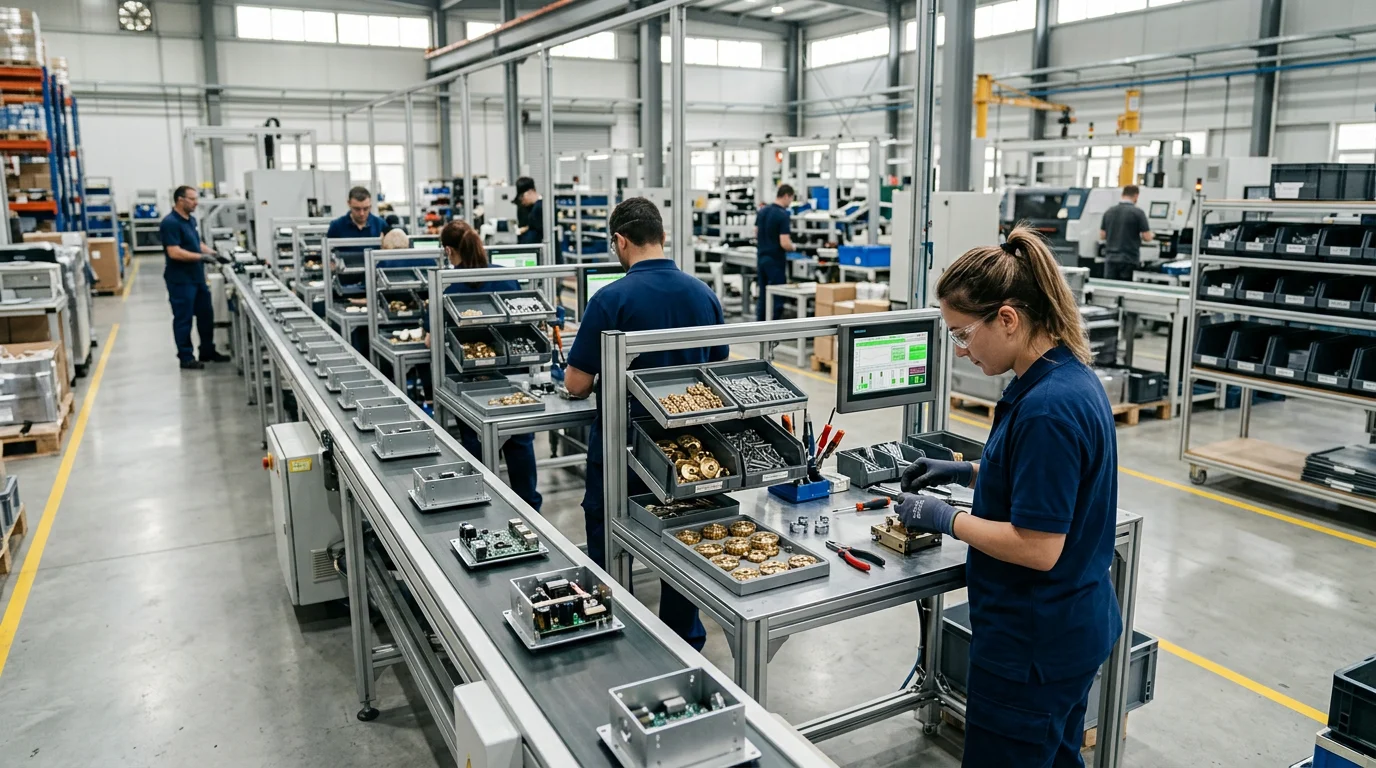
When a hardware factory’s OEE stalls at 55%, small tweaks rarely solve the real problem. This case study examines how a mid-sized manufacturer used advanced dual-pallet, 5-axis machining cells to rethink production flow, reduce idle spindle time, and respond to rising labor costs and tighter delivery windows. The reported 60% relative efficiency improvement was not magic; it came from measurable changes in utilization, cycle time, downtime, and quality control. While the results are based on an anonymized composite and should not be treated as a universal guarantee, they offer a practical framework for manufacturers evaluating whether next-generation automation can unlock capacity and protect margins.
How DZ Machines Improved Factory Efficiency by 60%
In the competitive landscape of modern manufacturing, achieving double-digit productivity gains often requires fundamental shifts in production technology. An anonymized, composite case study based on recent deployments at mid-sized hardware manufacturing facilities demonstrates this principle in action. By transitioning from legacy computer numerical control (CNC) equipment to advanced Dual-Zone (DZ) machining centers—a composite industry term representing a category of high-end, 5-axis CNC equipment featuring independent dual-pallet automation (typically handling 400–800 kg payloads)—the facility realized a 60% relative increase in overall operational efficiency.
Because this 60% gain reflects a low baseline under idealized composite conditions, it serves as an illustrative model rather than a universal guarantee. Factories already operating near world-class benchmarks, or those with poor surrounding infrastructure, should expect materially different results. Nevertheless, this transformation highlights the critical role that next-generation equipment plays in overcoming modern industrial bottlenecks. The integration of DZ machines did not merely accelerate individual cutting processes; it fundamentally restructured the factory's workflow.
Commercial Pressures Behind the Efficiency Push
The decision to overhaul the facility's production line was driven by compounding commercial pressures. Over a three-year period, the factory experienced a 15% year-over-year increase in skilled labor costs, alongside tightening margins on core hardware components (shrinking from historical 20% averages to under 12%). Additionally, supply chain volatility demanded shorter lead times—compressing standard 8-week delivery windows to 3–4 weeks—to remain competitive.
Broader global economic trends indicated that manufacturers relying on labor-intensive, low-automation processes were increasingly vulnerable to market disruptions. To maintain profitability, the factory needed to drastically reduce its cost-per-part while simultaneously expanding its capacity to handle complex, high-margin orders.
Baseline Metrics Before DZ Implementation
Prior to the DZ machine integration, the factory's performance metrics reflected a plateau in operational capabilities. The Overall Equipment Effectiveness (OEE) hovered consistently around a low baseline of 55%, significantly below the world-class manufacturing benchmark of 85%. This suppressed OEE was primarily attributed to high mechanical downtime and extended changeover periods.
Specific baseline figures painted a clear picture of the bottlenecks. Machine utilization—specifically spindle uptime—rarely exceeded 60% during a standard operating shift, mathematically capping the facility's maximum OEE and indicating substantial idle time. Furthermore, cycle times for flagship aerospace brackets were sluggish (averaging 42 minutes per part), and defect rates were unacceptably high (averaging 3.2%) due to manual fixturing errors and tool wear inconsistencies.
Key Results from the Case Study
Following a phased rollout of four DZ machining cells across the 50,000-square-foot facility over a six-month observation window, the factory recorded immediate and sustained improvements. The most prominent outcome was the 60% relative surge in overall efficiency. This metric was defined by a jump in OEE from 55% to 88%, calculated through a combined increase in throughput per labor hour and a drastic reduction in unplanned downtime.
Cycle times for flagship components plummeted from 42 minutes to 18 minutes, while production times for a secondary family of complex hydraulic valve bodies were similarly cut in half (from 55 to 26 minutes). Automation and enhanced rigidity within the DZ units reduced the defect rate to a negligible fraction (0.8%) of the baseline. Consequently, the factory increased its total monthly output volume by over 12,000 units (an approximate 22% volume increase) without adding a single extra labor shift.
What Factory Efficiency Means in High-Mix Metalworking
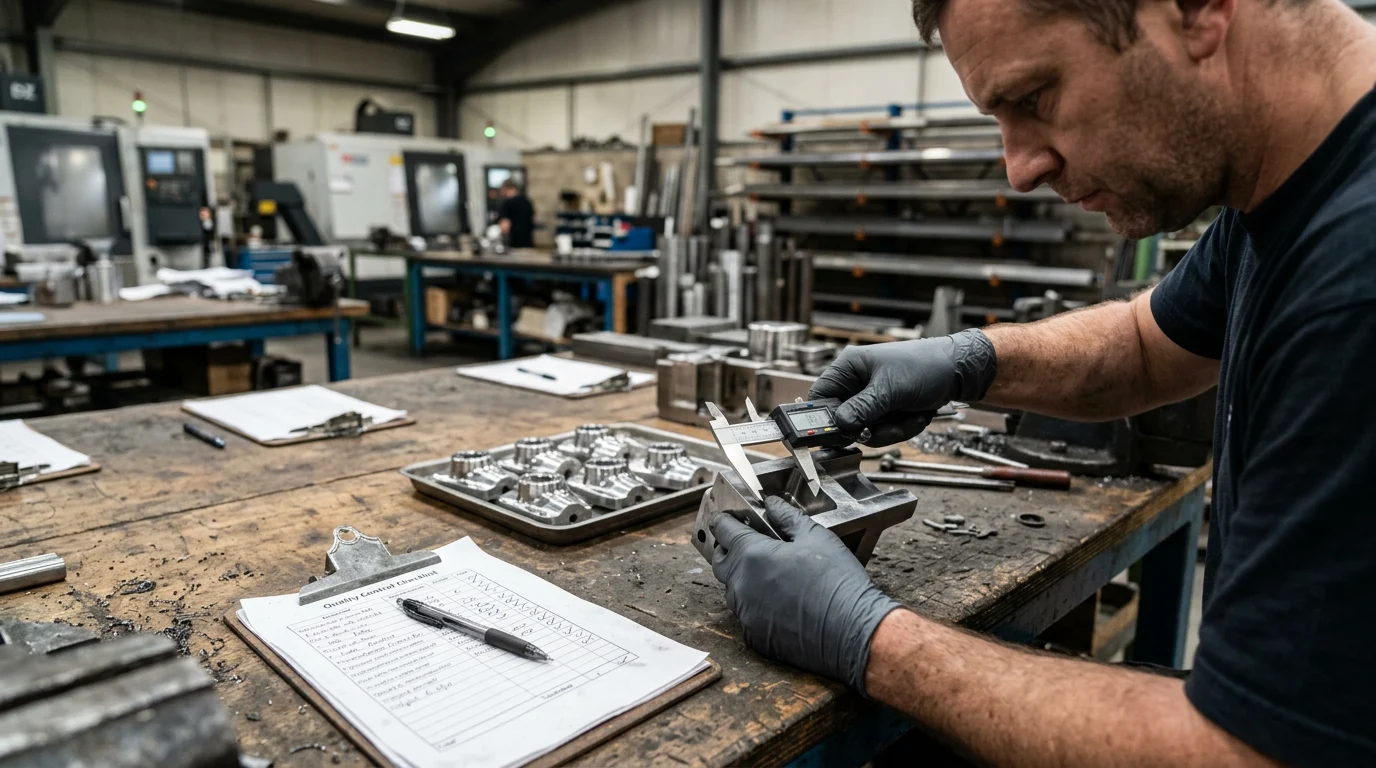
To fully contextualize the results of this case study and the data presented in the sections below, it is necessary to understand how efficiency is measured in high-mix, low-volume metalworking environments. Here, efficiency cannot be measured solely by the speed of a spindle. True factory efficiency encompasses the seamless orchestration of scheduling, machining, quality control, and material handling. Understanding these dynamics is essential for evaluating the impact of new equipment like DZ machines.
Throughput, Utilization, and Yield
Efficiency in modern metalworking relies on three interconnected pillars: throughput, utilization, and yield. Throughput measures the volume of finished goods produced within a specific timeframe. Utilization tracks the percentage of time a machine is actively executing a program (spindle uptime), as opposed to sitting idle during setups or maintenance.
Yield represents the ratio of usable, defect-free parts to total raw material consumed. Maintaining rigorous ISO standards (such as ISO 9001:2015) for quality management ensures that increases in throughput do not negatively impact yield. High-mix environments historically struggle to balance these three metrics, as the frequent need to reconfigure machines for different parts inherently drives down utilization.
Separating Real Gains from Measurement Noise
When evaluating new manufacturing technologies, separating genuine efficiency gains from statistical noise is a common challenge. Measurement noise can arise from temporary operator enthusiasm, seasonal variations in raw material quality, or inconsistent data collection methods.
To isolate the true impact of the DZ machines, the facility utilized automated data logging directly from the machine controllers. This eliminated human reporting bias. By tracking spindle load, tool change intervals, and micro-stoppages at 1-second intervals over a continuous 90-day period, management confirmed that the systemic OEE improvement was a structural upgrade rather than an anomaly.
Why High-Mix Production Is Hard to Optimize
Optimizing high-mix production is notoriously difficult due to the sheer variability of the work. Traditional manufacturing setups often require 45 to 90 minutes of downtime for fixture changes and tool calibrations every time a new part number is introduced to the line.
In a facility processing 20 to 30 different part numbers per week, these changeover periods compound, easily consuming 400 to 600 hours of potential production time annually per machine. Standard optimization techniques, such as batching, often fall short in high-mix environments because they bloat work-in-progress (WIP) inventory by 20–30% and extend lead times for custom orders.
DZ Machine Capabilities That Drove Performance Gains
The dramatic efficiency gains observed in the case study were directly tied to both the specific engineering capabilities of the DZ machines and the ancillary process changes they enabled. It is crucial to explicitly disaggregate these improvements: while the DZ hardware provided the mechanical foundation, a substantial portion of the overall gain was driven by process optimizations—such as CAM reprogramming and modular workholding—rather than the equipment's standalone impact.
Automation and Precision Control
A primary hardware driver of the DZ machines' performance is their 5-axis simultaneous milling capability paired with automated pallet changers. This allows operators to load raw material onto a staging pallet while the machine is actively cutting another part, effectively reducing setup downtime to near zero.
Furthermore, the machines feature precision control systems capable of maintaining single-digit micron tolerances (typically 2–5 microns) under continuous thermal load, depending on the material and environmental controls. Integrated laser tool-setters and on-machine probing automatically compensate for tool wear and thermal expansion, ensuring that the first part off the machine is as accurate as the thousandth (maintaining a Cpk > 1.33), largely eliminating the need for manual test cuts.
Before-and-After Performance Comparison
To reduce reader fatigue and consolidate the scattered metrics, the quantitative differences between the legacy equipment and the new DZ machining centers are centralized below. This table outlines the critical performance metrics before and after the integration, directly aligned with the core pillars of utilization, throughput, and yield.
| Performance Pillar | Legacy CNC Equipment | DZ Machining Centers | Net Improvement |
|---|---|---|---|
| Utilization (Average Spindle Uptime) | 60% | 92% | +32 points |
| Throughput (Changeover Duration) | 65 minutes | 5 minutes | -92.3% |
| Yield (Scrap/Defect Rate) | 3.2% | 0.8% | -75.0% |
| Tool Change Time | 120 seconds | 15 seconds | -87.5% |
This data underscores how incremental improvements in mechanical speed and automation aggregate to produce massive overall efficiency gains. The reduction in changeover duration alone recovered enough spindle hours to process an additional 15 batches per month, while the 92% spindle uptime mathematically supports the facility's new 88% OEE standard.
Training, Maintenance, and Integration Trade-Offs
Despite the impressive performance metrics, integrating DZ machines involves distinct trade-offs. The advanced control interfaces and 5-axis kinematics require a higher baseline of operator skill. In the case study, existing legacy machinists required a multi-month upskilling timeline (typically 8–12 weeks) to become proficient with the new systems, resulting in an expected temporary productivity dip of 15–20% during the initial ramp-up phase.
Maintenance protocols also shift. While the DZ machines are highly reliable, their complex mechatronics mean that scheduled preventative maintenance costs are moderately higher annually (estimated at $10,000–$15,000) compared to legacy 3-axis mills ($4,000–$6,000). However, this increased maintenance expenditure is rapidly offset by the dramatic reduction in scrap material and the revenue generated from higher throughput.
How Hardware Factories Can Replicate the Gains
While the productivity surge achieved in the case study is compelling, it is not an automatic outcome of simply purchasing new equipment. Hardware factories looking to replicate these results must adopt a strategic approach to implementation, explicitly distinguishing gains driven by the hardware from those driven by ancillary process changes that could be portable to other equipment.
Site Assessment and Process Mapping
The first step toward replicating these gains is conducting a comprehensive site assessment and value stream mapping exercise. Factory managers must identify their precise bottlenecks before introducing high-speed DZ machines; otherwise, the new equipment will simply shift the bottleneck downstream to inspection or packaging.
A minimum viable production run analysis should be conducted to determine current changeover frequencies and tool utilization rates. By establishing an accurate baseline, facilities can set realistic key performance indicators (KPIs) for the new equipment and ensure that the surrounding infrastructure—such as compressed air supply (e.g., 90–100 PSI at 15–20 CFM) and power conditioning (stable 480V 3-phase)—meets the stringent requirements of advanced machining centers.
Aligning DZ Machines with Production Goals
To maximize ROI, the capabilities of the DZ machines must be closely aligned with the factory's specific production goals. This involves analyzing the product mix to group parts into families that share similar tooling and fixturing requirements.
Crucially, many of the gains observed in the case study came from process optimizations independent of the spindle itself. By utilizing modular workholding systems in conjunction with the DZ machines' automated pallet changers, factories can achieve a "high-mix, high-volume" paradigm. Engineering teams should also review legacy CAM (Computer-Aided Manufacturing) programs; simply running old toolpaths on new, faster machines leaves significant performance potential untapped. Reprogramming parts to utilize dynamic milling strategies (e.g., reducing radial engagement to 10–15% to safely triple feed rates) is an essential, portable process change.
Risks That Can Reduce Expected Efficiency Gains
Several operational risks can severely dilute the expected efficiency gains if left unmanaged. Poor material flow is a primary culprit. If raw materials are not delivered to the machine staging area precisely when needed, the high-speed capabilities of the DZ equipment are wasted. Automated Guided Vehicle (AGV) delays or uncoordinated forklift routing can cripple throughput.
Beyond physical logistics, software integration failures pose a significant threat. CAM post-processor errors and reprogramming delays are common, high-impact issues in real-world 5-axis deployments. Additionally, raw material quality plays a critical role; inconsistent alloy hardness can lead to premature tool breakage, causing unplanned micro-stoppages. If these digital and logistical issues cause the OEE of the DZ machines to drop below a threshold of 65%, the payback period for the capital investment will extend significantly (e.g., from 24 months to over 48 months), straining facility cash flow.
When Investing in DZ Machines Makes Sense
Determining when to transition to advanced DZ machining centers requires rigorous financial analysis and strategic foresight. While the operational benefits are clear, the substantial capital expenditure necessitates a deep dive into lifecycle costs, payback timelines, and long-term market positioning.
ROI, Payback, and Total Cost of Ownership
The Total Cost of Ownership (TCO) for a DZ machine extends well beyond the initial purchase price, which typically requires a significant six-figure investment ($350,000 to $600,000) per automated cell. TCO calculations must include site preparation, specialized tooling, advanced CAM software licenses, and elevated preventative maintenance contracts.
| Cost Category | Legacy
Key Takeaways
- Benchmark current OEE before investing in automation, because the case facility’s 60% relative efficiency gain was driven by moving from a low 55% baseline to 88%.
- Target spindle uptime and changeover losses first, since utilization below 60% was a major constraint before DZ machining cells were introduced.
- Use dual-pallet, 5-axis machining to overlap setup and production, as this helped cut flagship part cycle time from 42 minutes to 18 minutes.
- Validate automation ROI against labor pressure and margin erosion, especially when labor costs are rising 15% year over year and margins are falling below 12%.
- Roll out advanced machining cells in phases and measure results over time, as the case study tracked four DZ cells across six months to confirm sustained improvement.
Frequently Asked Questions
What does the 60% efficiency gain refer to?
It refers to a relative improvement in overall operational efficiency, with OEE rising from 55% to 88% after DZ machining cells were implemented.
Are the results guaranteed for every hardware factory?
No. The case study is an illustrative composite based on favorable conditions and a low baseline. Actual gains depend on current OEE, workflow design, staffing, tooling, and factory infrastructure.
What were the biggest bottlenecks before DZ machines were installed?
The factory struggled with low spindle uptime, long changeovers, unplanned downtime, manual fixturing errors, and defect rates averaging 3.2%.
How did DZ machines reduce cycle times?
Dual-pallet automation and advanced 5-axis machining allowed setup and machining to overlap, reducing idle time and cutting flagship component cycles from 42 minutes to 18 minutes.
Why is OEE important in hardware manufacturing?
OEE combines availability, performance, and quality into one metric, helping factories identify whether lost capacity comes from downtime, slow cycles, or defects.